
Blog
Are Zyn Pouches Biodegradable?The Truth About ZYN’s Environmental Impact

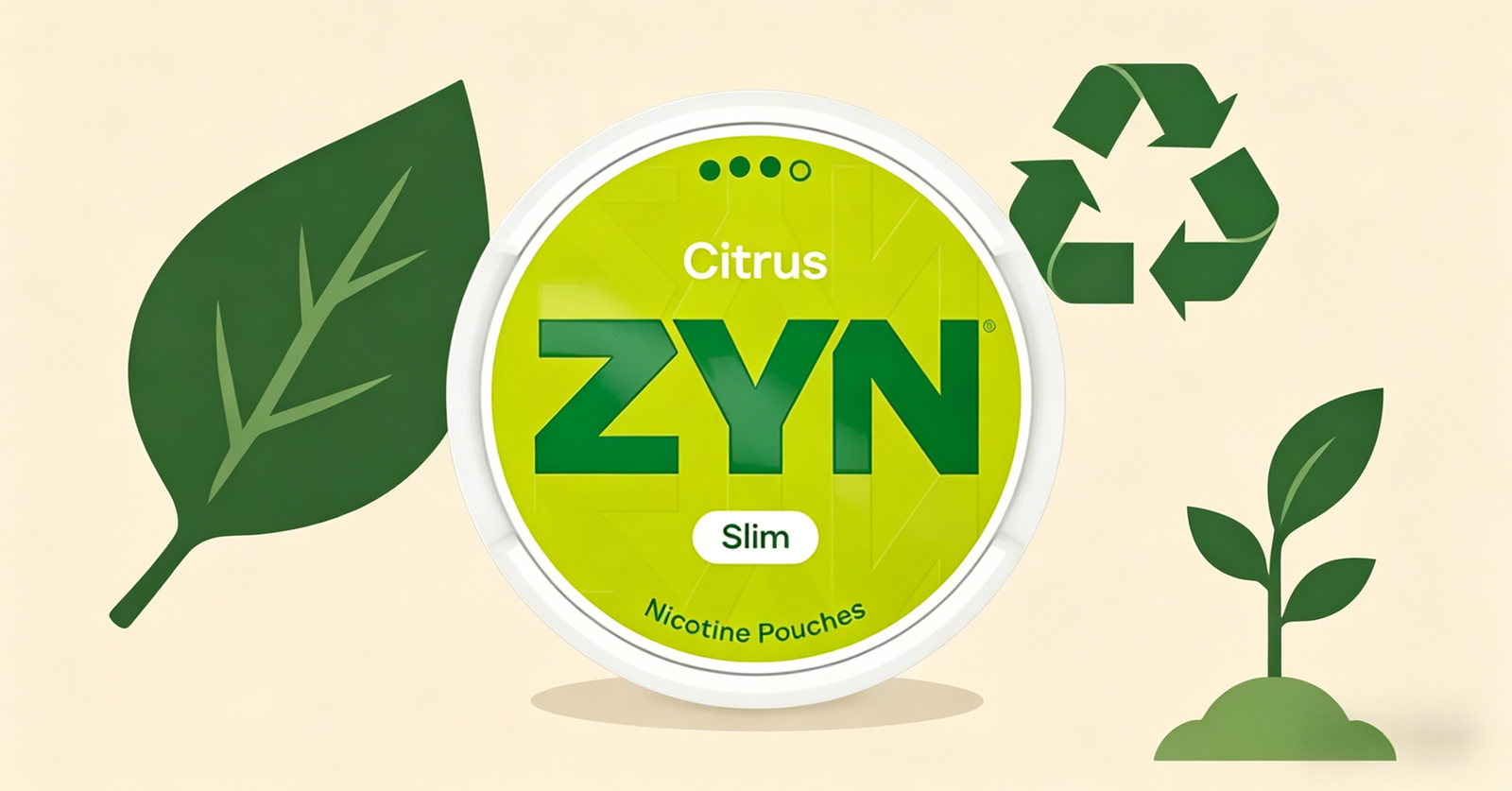
ZYNs are a go-to pick for nicotine users hunting a smoke free tobacco free alternative to cigarettes and chewing tobacco. They’re discreet, odorless, and made with plant based fibers. That’s why so many folks assume they’re eco friendly and biodegradable. But if you’re the type who cares about the planet, you’ve probably wondered: are ZYNs actually biodegradable? The short answer might throw you for a loop.
Let’s cut to the chase: no, ZYN nicotine pouches aren’t fully biodegradable. Sure, they’ve got natural ingredients that break down over time. But key components hold them back from complete decomposition. Mess up disposal and they can spell trouble for the environment. This blog breaks down why ZYNs don’t biodegrade, which ingredients are the culprits, and how to toss them safely to keep harm to a minimum.
First: What Does “Biodegradable” Actually Mean?
Before we dig into ZYN’s ingredients, let’s get clear on what biodegradable even means. A material is biodegradable if microorganisms—think bacteria or fungi—can break it down naturally. It should turn into harmless stuff like carbon dioxide, water, and biomass in soil or water. No toxic leftovers allowed. And for a product to be truly biodegradable? Every single component has to decompose fully.
ZYNs don’t hit that mark. Some ingredients are biodegradable, sure. But others aren’t. Even the “natural” parts go through processing that slows or stops breakdown entirely.
What’s in a ZYN Pouch? (And Which Parts Are Biodegradable?)
ZYN pouches mix natural and synthetic ingredients, and their biodegradability varies a ton. Here’s a breakdown of the main components and whether they break down:
| Ingredient | Is It Biodegradable? |
|---|---|
| Nicotine Powder | Yes |
| Arabic Gum | Yes |
| Humectant | Yes |
| Cellulose | Yes |
| Sodium Chloride | Yes |
| Benzoic Acid | Yes |
| Sucralose & Acesulfame K (Artificial Sweeteners) | No |
| Maltodextrin | Yes |
| Sodium Alginate | Yes |
| Potassium Sorbate | Yes |
| Glycerin | Yes |
| ZYN Pouch (External Covering) | No |
The real troublemakers are sucralose and acesulfame K. These artificial sweeteners boost flavor, but they don’t break down in soil or water. They’re major pollutants that hurt aquatic life and plants. Worse? The outer pouch uses plant based fibers, but manufacturers add binders to keep it intact. Those binders turn the “natural” fibers into a non biodegradable material that fights decomposition tooth and nail.
Why ZYNs Aren’t Fully Biodegradable (Even With Plant-Based Fibers)
You might be scratching your head. If ZYNs use plant based fibers, why don’t they break down like a leaf or a scrap of paper? Two big reasons.
Manufacturing treatments. The plant based fibers in the outer pouch get mixed with binders to make them tough enough for use. Those binders act like a plastic coating. They stop the fibers from decomposing naturally in soil or water.
Non biodegradable additives. Sweeteners like sucralose and acesulfame K don’t break down at all. Even if the natural ingredients decompose over time, these synthetic bits stick around. They cause pollution that lingers for ages.
Here’s a key point to remember: ZYNs aren’t the same as traditional snus. Snus uses moist tobacco, a natural material that decomposes way easier. ZYN is tobacco free, so it relies on synthetic stabilizers to extend shelf life. Those stabilizers slow biodegradability a whole lot.
Do ZYNs Dissolve? (A Common Misconception)
A lot of users think ZYNs dissolve because the inner contents soften and shrink while you use them. Some parts do dissolve: nicotine salts and sodium based ingredients, for example. But the outer pouch? Nope. It doesn’t dissolve at all.
In fact, ZYNs harden up in damp conditions. They start to look and feel like cardboard. Toss them improperly and they can stick around in the environment for a long time.
That tough casing is a real risk. Wildlife—birds, squirrels, even dogs—might mistake them for food. That can lead to nicotine poisoning. Kids might pick up discarded pouches too, and accidentally swallow them. That’s a dangerous situation no one wants.
How to Dispose of ZYN Pouches Responsibly?
Since ZYNs aren’t fully biodegradable, proper disposal is non negotiable. Nicotine is classified as hazardous waste under environmental regulations. Throwing used pouches on the ground or flushing them down the toilet hurts the environment, pets, and kids. Don’t do it.
Use the ZYN Can’s Catch Lid
Most ZYN cans come with a built in “catch lid” a small compartment on top made for temporary storage of used pouches. Just pop the used pouch in there after you’re done. Once the compartment is full, transfer the pouches to a sealed container. Then take them to a hazardous waste disposal facility.
If Your Can Doesn’t Have a Catch Lid
Grab an empty ZYN can or another sealable container like a small plastic bag to collect used pouches. Never leave them loose in the trash. Sealing them prevents leakage and keeps them away from curious kids and pets.
What Not to Do
Don’t flush ZYNs. This dumps nicotine and synthetic sweeteners into waterways, harming aquatic life.
Don’t compost ZYNs. Artificial ingredients will contaminate your entire compost heap.
Don’t litter. Discarded pouches add to pollution and put wildlife at risk.
Good News: ZYN Cans Are Recyclable!
ZYN pouches aren’t biodegradable, but their cans are a win for the planet. ZYN cans are made from recyclable polypropylene plastic. Here’s how to recycle them the right way:
- Empty the can completely. No used pouches left inside.
- Rinse it quickly if there’s any residue or odor lingering.
- Place it in your household plastics recycling bin. (Double check local recycling rules to be sure it’s accepted.)
ZYN vs. Cigarettes & Vapes: How Eco-Friendly Are They?
ZYNs aren’t fully biodegradable, but they’re still more eco friendly than cigarettes and disposable vapes. Let’s break it down.
Compared to cigarettes: Cigarettes create 4.5 trillion littered butts every single year. Their filters take decades to decompose. ZYNs produce no smoke, and if you dispose of them correctly, they create way less long term litter.
Compared to vapes: Disposable vapes have batteries, plastics, and heavy metals. They’re a major source of harmful e waste. Even reusable vapes have a big carbon footprint thanks to battery production. ZYNs have no batteries or complicated electronics. That cuts their carbon footprint significantly.
A 2024 study by the Swedish Council for Information on Alcohol and Other Drugs NVC found that 65% of snus litter collected was tobacco free nicotine pouches. It’s a clear sign that as ZYN’s popularity grows, responsible disposal is more important than ever.
Final Thoughts: Are Zyns Biodegradable?
To wrap it up: no, ZYN pouches aren’t fully biodegradable. Synthetic sweeteners, binding agents, and processed plant fibers stop them from breaking down completely. Dispose of them wrong, and they become a lasting environmental problem.
The good news? You can minimize their impact easily. Use the catch lid on your ZYN can, seal used pouches properly, and recycle the cans. ZYNs are a cleaner alternative to cigarettes and vapes, but better doesn’t mean perfect. Responsible disposal is the key to protecting our planet, pets, and kids.
To all my fellow ZYN users: don’t sleep on the little things. Disposing of your used pouches correctly might feel trivial when you’re doing it alone. But together, these small moves make a massive difference for the planet.