
Blog
Rogue Nicotine Pouches Ingredients: A Comprehensive Guide?

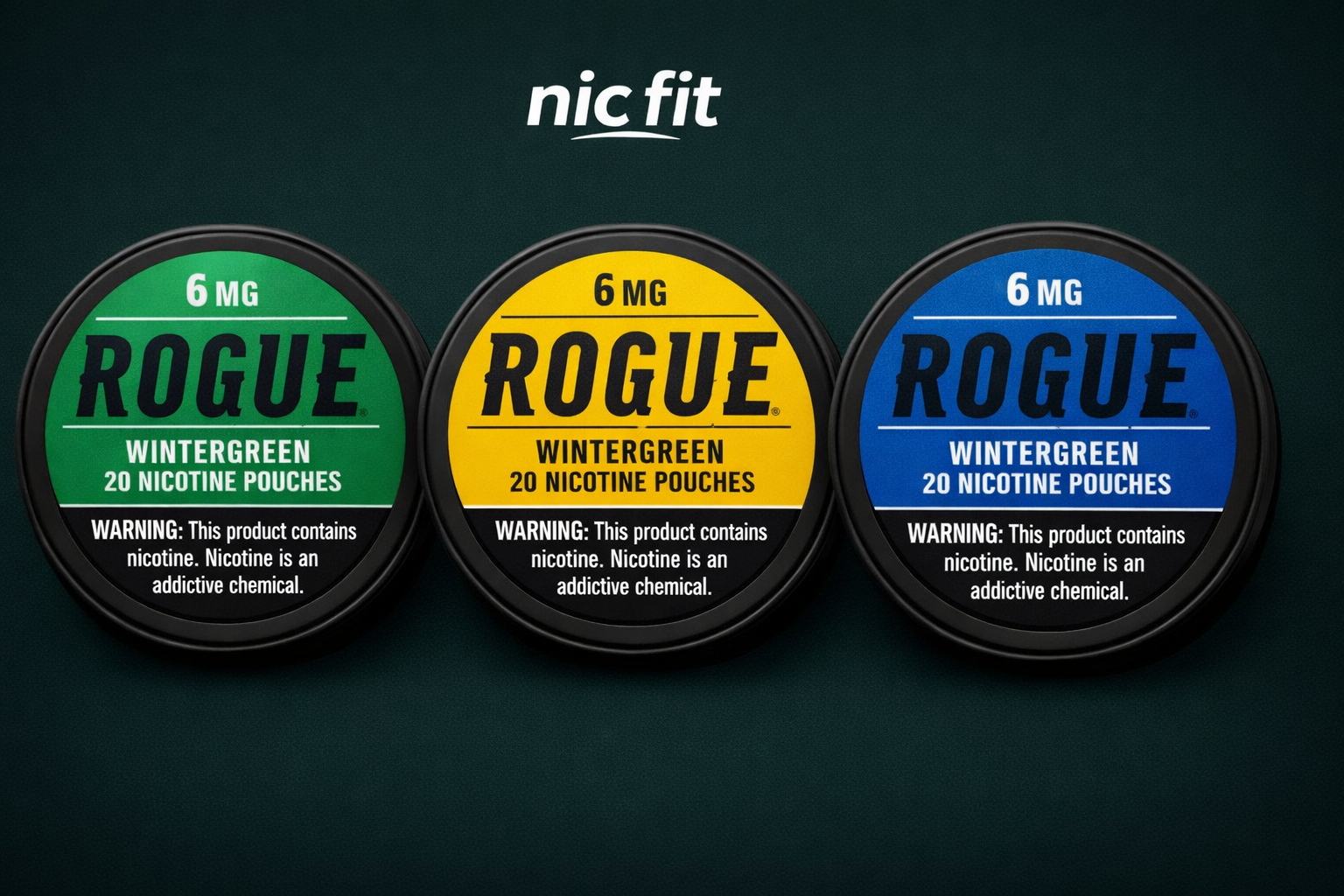
What Is Inside Rogue Nicotine Pouches? A Detailed Ingredient Breakdown?
Rogue nicotine pouches have established themselves as a well known product in the dynamic market. Offering a clean experience without tobacco leaves, Rogues has set the standard
But what are the components of this product? How do they provide such a refined and premium experience to the end consumer?
Let’s dive deeper into the components of the product to find out more about the innovative and reliable nature of the nicotine market with Rogue nicotine pouches.
Nicotine: Where It Comes From, Why Plants Made It, and How It’s Extracted Today
Where Nicotine Naturally Comes From?
Nicotine occurs naturally in plant generally speaking.Nicotine mainly comes from plants in the Nicotiana group, which is part of the nightshade family, just like tomatoes and potatoes. The most well-known plant in this group is Nicotiana tabacum, which has a lot more nicotine than its cousins. These plants were first found in the wild in places like South America, Africa, and Australia. People have been growing them for a long time, and now they are the main source of nicotine around the world. In dried tobacco leaves, nicotine makes up about 0.6% to 3% of the plant’s weight, which is much more than in other nightshade plants that have only tiny amounts. Over the years, people have bred tobacco plants for different uses. For example, Virginia flue-cured and Burley tobacco are often used in regular cigarettes and smokeless tobacco. But now, there are new things like Rogue nicotine pouches. These pouches are a cool new idea because they don’t have any tobacco and are easy to use. Unlike cigarettes or chewing tobacco, these pouches don’t have the bad stuff like tar or other harmful chemicals, making them a safer and more convenient way to enjoy nicotine.
Key Advantages of Rogue Nicotine Pouches
Rogue nicotine pouches are distinguished by their use of purified ingredients and their usability. Purified nicotine extracted from tobacco is used, and impurities are removed. There are no tobacco leaves and dust. They are tobacco-free nitrosamines, which reduce exposure to dangerous chemicals. They are also stain-free and have low drips, ensuring discretion. They are spit-free and usable in any environment.
Common Questions About Rogue Nicotine Pouches
Let’s clear up some things about Rogue nicotine pouches! First off, they don’t have any sugar. Instead, they use a sweetener called acesulfame potassium, which means you won’t get extra calories or worry about cavities. Even though Rogue has nicotine, it’s made to be safer than regular tobacco products and follows FDA rules. Also, there’s no fiberglass in Rogue, so don’t worry about that rumor. The special technology they use makes it easy for your body to absorb the nicotine. Plus, each pouch has less than 0.5 calories, so they’re great if you’re watching your calorie intake!
How to Use Rogue Nicotine Pouches ?
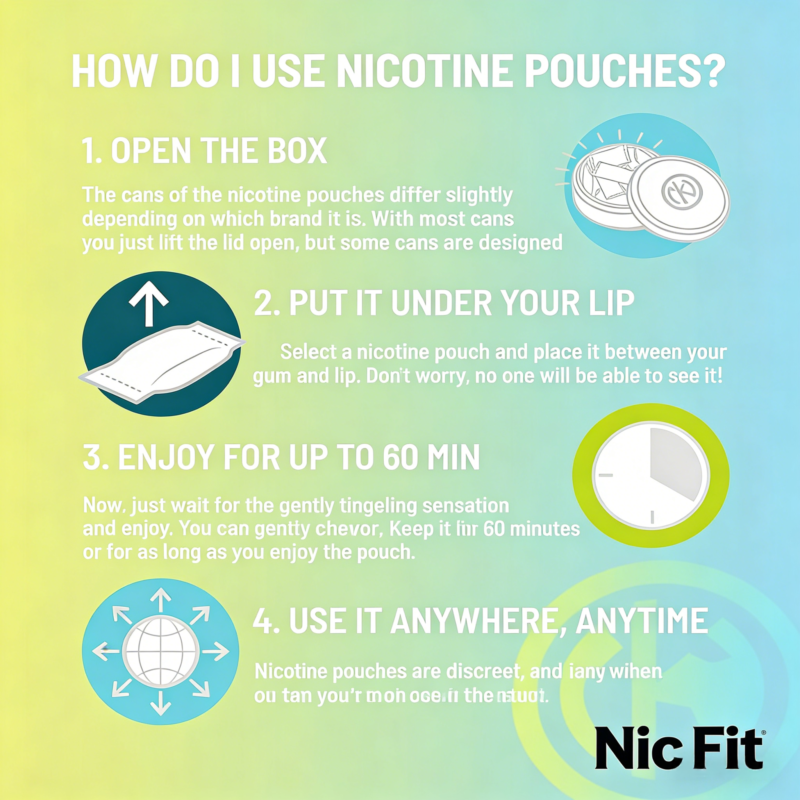
Rogue nicotine pouches are designed to be used without any complications. The steps to use Rogue nicotine pouches are as follows:
Insert one nicotine pouch between your gums and your upper lip
Leave it there for up to 45 minutes without chewing or swallowing
Dispose of it in a trash can。
Why Choose Rogue Nicotine Pouches?
Rogue nicotine pouches are an innovative and premium form of nicotine products that emphasizes quality and user experience. In addition to their tobacco-free product, their variety of flavors ranges from fruity to bold, odorless discretion, and pharmaceutical-grade nicotine purity also make them stand out. Every aspect of their product is designed to satisfy the requirements of today’s users.
Plant-Based Fibers:Structure and Comfort
For the construction of the pouch, the rogue pouch utilizes cellulose fibers, which are obtained from plants. The cellulose fibers:
Make the pouch soft while keep the pouch moist and in good shape.
This is due to the basic nature of cellulose, which makes the material safe for food products.
What Makes Rogue Nicotine Pouches Taste Unique?
Flavor innovation is another significant contributor to Rogue’s popularity. The food flavoring are designed to mix well with other flavoring to better create a
Rogue uses flavors in their nicotine pouches that are like the ones you find in foods and drinks you have every day. They mix these flavors just right so they make the nicotine taste better without being too strong. The pouches taste a little sweet but don’t have any sugar. Instead, they use something called acesulfame potassium (Ace-K) to make them taste good without adding calories or hurting your teeth.
Behind the scenes, there are special ingredients that help your body absorb the nicotine better. For example, sodium carbonate helps keep the pH level just right so the nicotine can be absorbed through your mouth. This makes sure the pouches work well every time, with the right amount of moisture. Rogue’s pouches are made with nicotine, plant stuff, and safe ingredients, which means they have lots of good things going for them. They don’t have tobacco, you don’t have to smoke or spit, the flavors come out slowly, the nicotine is absorbed steadily, and they’re easy to use every day. Unlike regular tobacco products, Rogue focuses on mixing ingredients scientifically, which is why more and more people are trying them out.
Nicotine: Natural Origins, Biological Purpose, and the Modern Extraction Process
Nicotine has been around way before people even existed! It’s the main thing in today’s nicotine products, but to really get how these products work, it’s cool to know where nicotine comes from, why it’s there in the first place, and how we make it into what it is now. This helps us see how nicotine products do their thing today.
The Natural Source of Nicotine
Nicotine is a chemical found naturally in certain plants, especially in those from the Nicotiana group, which belongs to the nightshade family. The most well-known plant in this group is Nicotiana tabacum because it has the most nicotine compared to other plants.
Tobacco plants originally grew in places like Africa, Australia, and South America. People have been growing tobacco for a long time, and it’s still used to get nicotine today.
When tobacco leaves are dried, they have about 0.6-3% nicotine by weight. This is a lot more than other nightshade plants like tomatoes and potatoes, which only have tiny amounts of nicotine.
Cultivated Varieties and Specialized Uses
Breeding has led to various varieties of tobacco that are grown for various uses:
Virginia flue-cured tobacco and Burley tobacco are grown for conventional tobacco products.
Industrial varieties are bred especially for nicotine extraction, with chemical consistency being more important than smoking qualities.
Why Nicotine Exists in Plants ?
It is important to understand that the evolution of nicotine as a protective mechanism was not intended for human consumption, but rather as a natural protective mechanism against insects and animals that feed on the plants.
When insects, for example, feed on the leaves of the tobacco plants, the nicotine in the plants stimulates the nervous systems of the insects, causing overstimulation that paralyzes the insects, hence killing them.
Another mechanism that makes the plants less likely to be fed on by animals is the bitter taste of the nicotine, which makes the animals less likely to want to eat the plants.
The use of nicotine by humans, therefore, is an additional development in the evolution of the protective mechanism that was originally intended for the plants.
How Nicotine Is Extracted Industrially ?
Modern nicotine production focuses on isolating the compound efficiently while achieving high purity standards. Manufacturers typically use lower-grade tobacco leaves or plant byproducts unsuitable for traditional tobacco products.
The extraction process follows several controlled stages.
Raw Material Preparation
Harvested tobacco leaves are first dried and mechanically processed through grinding or shredding. Increasing the surface area allows nicotine to be released more effectively during extraction.
The material then undergoes alkalization. Mild alkaline compounds raise the pH level, converting nicotine into its free-base form, which improves solubility during extraction.
Primary Extraction Methods
ndustrial facilities generally rely on two extraction approaches depending on environmental goals and production requirements.
Solvent Extraction
This is the most widely used method. Processed tobacco is combined with organic solvents such as ethanol or hexane in sealed systems. Gentle heat is then applied help dissolve nicotine into a liquid form.
Afterward, liquid extract will undergo vacuum distillation to remove impurity while preserving nicotine quality.
Purification and Refinement
Crude nicotine must be purified in accordance with modern product specifications. This is done using advanced technology that removes any impurities that may have an impact on the product’s stability and taste.
Some of the methods used in the refinement of nicotine include:
Vacuum distillation that removes impurities such as heavy impurities
Rectification and chromatography that remove alkaloids in small quantities
Precision processing that removes impurities in quantities that exceed 99.5%
Nicotine may be converted to a salt form depending on the use.
Storage and Quality Preservation
Nicotine is sensitive to light, oxygen, and heat. These conditions may cause oxidation, leading to discoloration and changes in taste.
For the maintenance of quality, purified nicotine is stored in airtight containers that are resistant to light, under controlled conditions. Stabilization is done to maintain consistency during storage and transport.
Final Thoughts
The Rogue nicotine pouches is a good example of how modern nicotine products have evolved. By blending various nicotine ingredients and food-grade flavor systems, Rogue delivers a sleek product focused on convenience, consistency, and flavor.